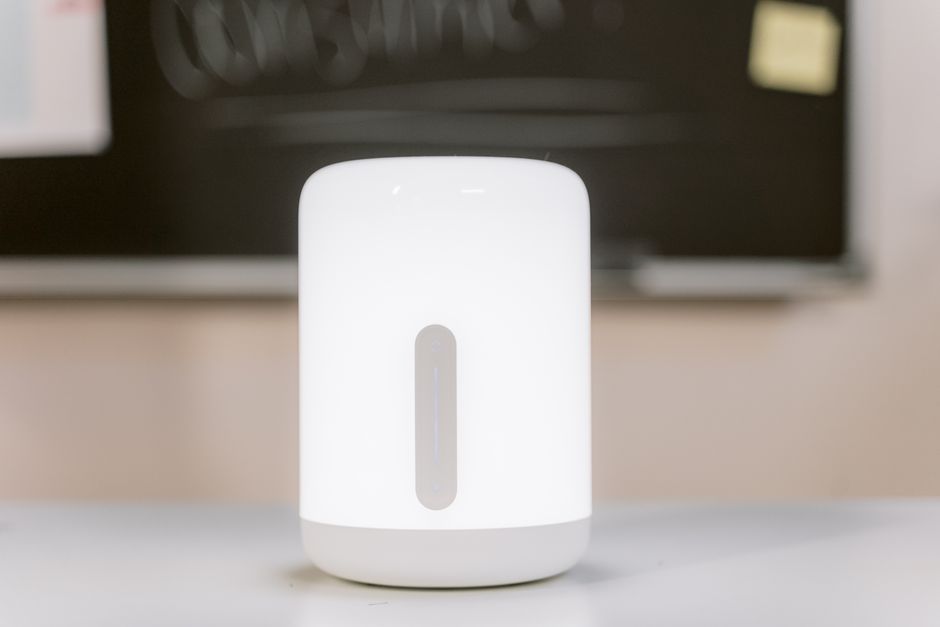
Understanding Desk Lamp Types
Desk lamps come in several common configurations, each suited to different tasks and settings. Architect lamps feature adjustable arms and heads, allowing precise control over light direction — ideal for drafting or detailed work. Banker’s lamps, with their classic green glass shades, provide focused downward light that reduces glare on reflective surfaces. LED task lamps offer energy efficiency and often include adjustable color temperatures, making them versatile for both reading and screen-based work. When evaluating a lamp type, consider how the light distribution matches your primary activity and desk layout.
Design and Adjustability Considerations
The physical design of a desk lamp affects both its functionality and how it integrates into a room. Adjustability features such as pivoting heads, extending arms, and tiltable shades enable users to direct light where it is needed most, reducing eye strain. Materials like brushed aluminum or matte plastic can influence heat dissipation and weight. For home offices, a lamp with a minimalist profile may blend better with existing decor, while a more robust construction may be preferable in a work environment where frequent repositioning occurs.
Lighting Performance Factors
Brightness (measured in lumens) and color temperature (measured in Kelvin) are key elements in desk lamp performance. For focused task lighting, a lamp providing between 400 and 800 lumens is generally sufficient. Cooler color temperatures (4000K–5000K) help maintain alertness during detailed work, while warmer temperatures (2700K–3000K) are often preferred for relaxation or reading before bed. Some LED lamps offer adjustable color modes, allowing the user to switch between settings depending on the time of day or activity. It is important to note that individual preferences and ambient room lighting also play a role in how these specifications translate to comfort.