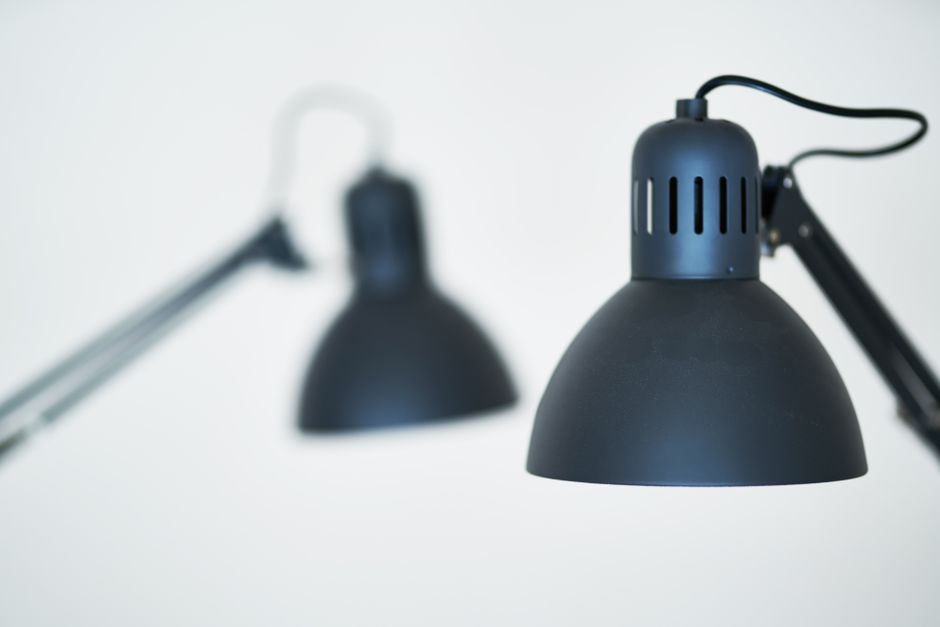
Modern Minimalist Desk Lamp Designs for Home Offices
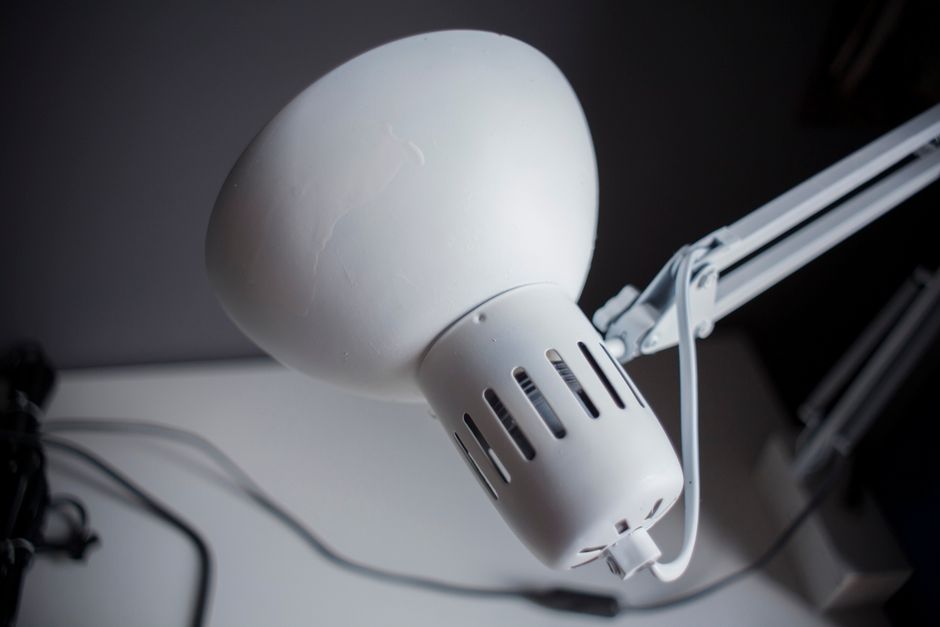
In the evolving landscape of home office design, lighting plays a role that extends beyond simple illumination. The desk lamp, once a purely functional tool, has become an integral element of the workspace aesthetic. Minimalist desk lamp designs, characterized by clean lines and neutral colors, have gained attention for their ability to integrate into various contemporary environments. These lamps are not merely sources of light; they are objects that contribute to the visual and spatial harmony of a room. When selecting such a lamp, understanding the principles behind its design and how it interacts with the surrounding space becomes essential for creating a cohesive work area.
The appeal of minimalist desk lamps lies in their restrained form and subtle presence. Unlike more ornate fixtures, they avoid visual clutter and allow the surrounding decor to remain the focus. This approach can be particularly beneficial in home offices, where the balance between function and atmosphere is often a priority. By focusing on essential elements—shape, material, and light distribution—these designs aim to serve the user’s practical needs without overwhelming the senses. The following sections explore the key aspects of modern minimalist desk lamps, from their design foundations to practical considerations for integration into a home office setting.
Defining Minimalist Design Principles in Desk Lamps
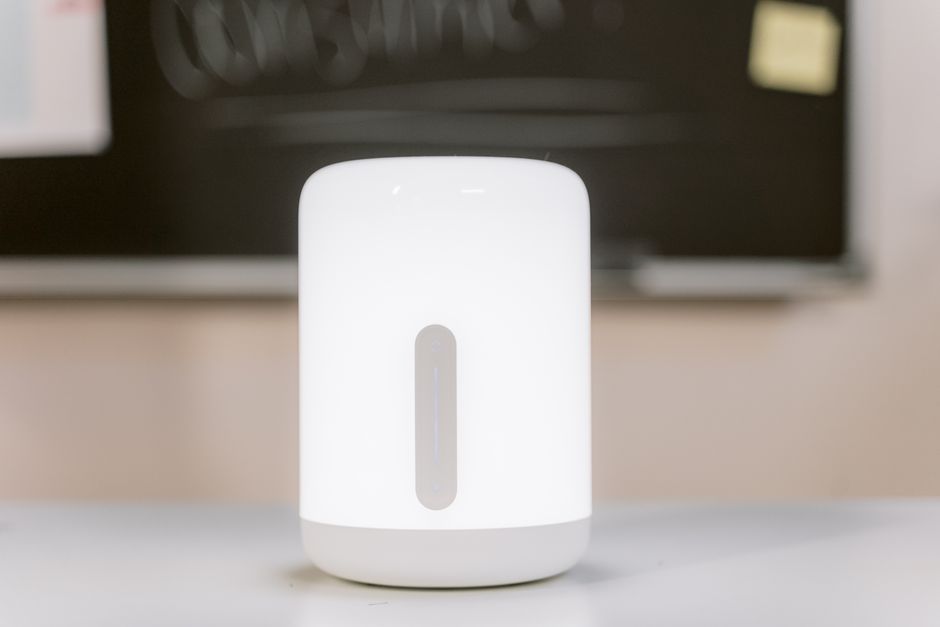
Minimalist design in desk lamps is rooted in the idea of reducing unnecessary elements while preserving core functionality. This philosophy often results in forms that are geometrically simple, with straight lines, gentle curves, or unadorned surfaces. The goal is not to strip away all character, but to achieve clarity and purpose in every component. In a desk lamp, this might mean a single articulated arm without extra joints, a shade that diffuses light evenly without decorative patterns, or a base that provides stability without elaborate detailing. The underlying principle is that each part should serve a clear role, and any feature that does not contribute to the lamp’s primary function of illumination is typically omitted.
Neutral colors—such as matte black, white, gray, or metallic tones—are common in minimalist designs because they allow the lamp to adapt to different color schemes and materials already present in the office. The use of a limited palette also emphasizes the lamp’s silhouette and texture. When a lamp is finished in a consistent tone, the eye is drawn to its shape and the quality of light it produces rather than to decorative accents. For those seeking a workspace that feels calm and orderly, these design principles can support a visual environment that reduces distraction and promotes concentration. The consistency of the design language across different brands and models also makes it easier to plan a coordinated interior without extensive trial and error.
Materials and Finishes in Contemporary Minimalist Lamps
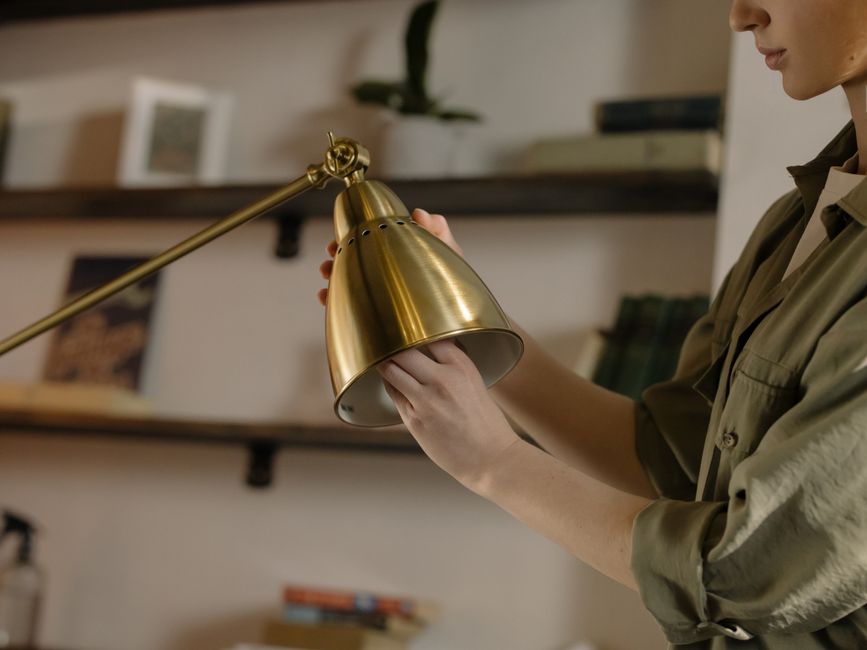
The choice of materials in minimalist desk lamps is closely tied to both durability and aesthetics. Metals such as aluminum, steel, and brass are frequently used for their strength and ability to be formed into precise shapes. Aluminum, for instance, is lightweight and can be anodized to produce a matte or brushed finish that resists fingerprints and scratches. Steel offers more heft, contributing to a stable base that holds the lamp securely in position. Some designs incorporate wood elements, such as a walnut or oak base, to introduce warmth while still maintaining a clean silhouette. The combination of metal and wood is a recurring theme in contemporary office decor, as it bridges industrial precision with natural texture.
Finishes are typically applied to reduce glare and enhance tactile appeal. Matte surfaces are preferred over glossy ones because they scatter light softly and do not create distracting reflections. Powder coating is a common technique that provides a durable, even layer of color without visible brush strokes. Brushed metal finishes reveal the grain of the material and add a subtle visual interest without breaking the minimalist ethos. In addition to appearance, the feel of the material when adjusting the lamp—whether turning a knob, rotating an arm, or touching the shade—is part of the user experience. Designers often pay attention to the tactile quality of these interactions, ensuring that the lamp feels solid and responsive. This attention to material and finish contributes to the lamp’s longevity and the overall satisfaction of using it over time.
Lighting Technology and Adjustability Features
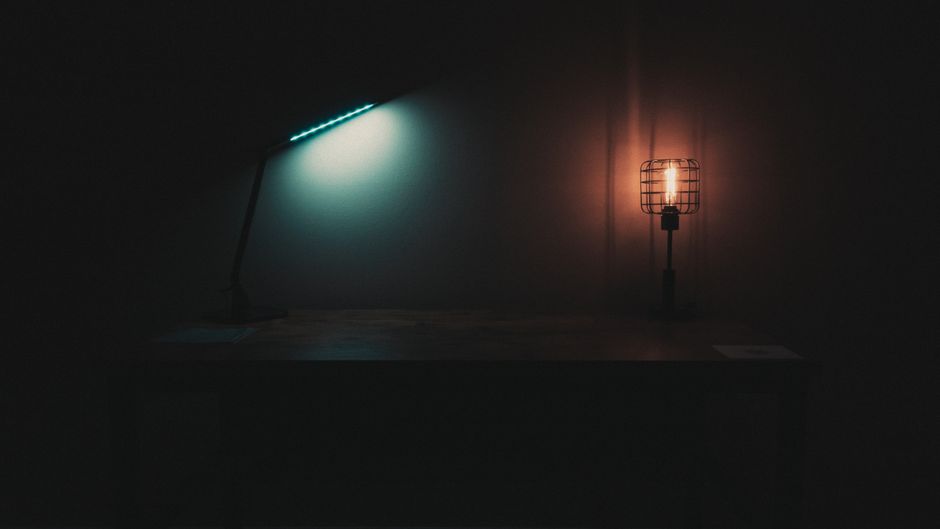
Modern minimalist desk lamps incorporate lighting technology that aims to support visual comfort during extended work periods. LED light sources are now standard because they produce consistent brightness with lower energy consumption and minimal heat. Many models offer adjustable color temperature, allowing users to shift between warmer tones (around 2700K to 3000K) suitable for relaxed tasks or reading, and cooler daylight tones (around 5000K to 6500K) that may help maintain alertness during focused work. This flexibility is typically achieved through a simple control interface, such as a touch sensor or a rotary dial integrated into the lamp’s base or arm. While no specific outcome can be guaranteed, having the ability to modify the light’s characteristics can be a useful tool for adapting to different tasks and times of day.
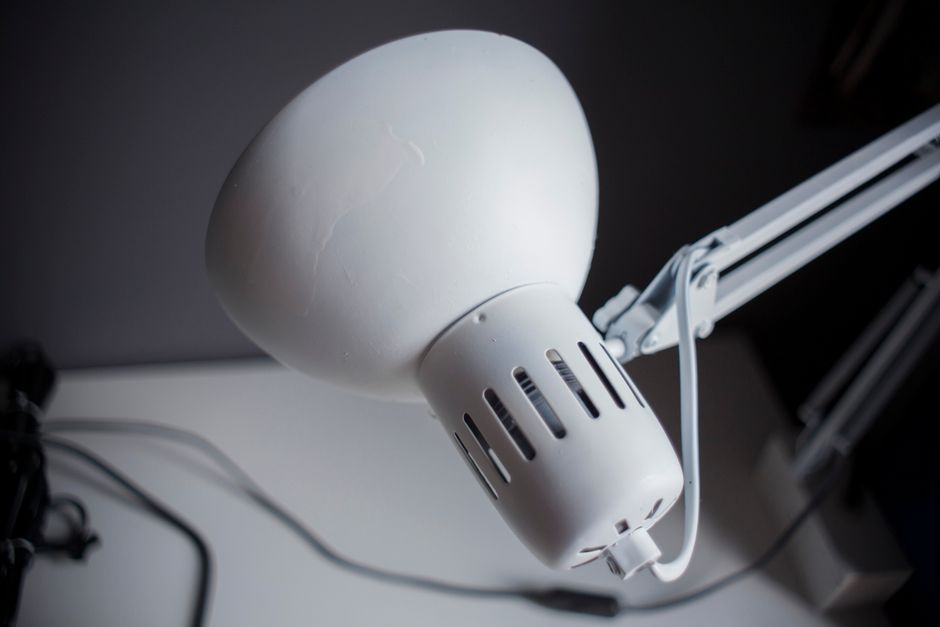
Adjustability in physical positioning is another key feature. Articulated arms, swivel heads, and telescoping columns allow users to direct the light precisely where it is needed. Common mechanisms include spring-loaded arms that hold their position without tightening, or friction joints that offer smooth resistance. The range of motion—such as the height adjustment, tilt angle, and rotation—varies across models. A lamp that can be lowered for close-up detail work or raised to illuminate a broader area provides versatility in a space that may serve multiple functions. When evaluating a lamp, the ease and smoothness of these adjustments matter, as they affect how frequently the user will reposition the light. Minimalist designs often hide mechanical components within clean housings, so the lamp maintains its sleek appearance while still offering practical adjustability.
Integrating the Desk Lamp into the Home Office Layout
Placing a minimalist desk lamp within a home office involves considering both the physical workspace and the overall light environment. The lamp is typically positioned on the desk surface, but its exact location depends on the user’s handedness, the presence of other light sources, and the intended task. For right-handed individuals, a lamp positioned on the left side of the desk may reduce shadows cast by the writing hand, though this can vary. The height of the lamp’s head relative to the work surface determines the spread and intensity of light. A lamp with a wide shade or a diffuser will cast a broader pool of light, which can be beneficial for reading or reviewing documents. A more focused beam is often preferred for detailed work such as drawing or soldering. The ability to direct the light away from computer screens helps minimize glare and reflections, which can reduce eye strain.
Beyond the desk itself, the lamp contributes to the room’s ambient lighting scheme. In a home office, layered lighting—combining overhead fixtures, task lighting, and possibly accent lights—creates a balanced visual environment. A minimalist desk lamp serves as the task lighting layer, providing direct illumination where it is most needed. Its neutral color and simple form allow it to blend with other elements, whether the office is part of a dedicated room or a corner of a living area. When the lamp is not in use, its presence as an object should not dominate the visual field. Many minimalist designs are intentionally understated, so they recede into the background when turned off, only becoming noticeable when they are actively contributing to the workspace. This quality can be especially desirable in smaller home offices where visual clutter is a concern.
Considerations for Selecting and Placing a Minimalist Lamp
Selecting a minimalist desk lamp involves evaluating a set of practical criteria that align with the specific conditions of the home office. The size of the desk surface is a primary factor: a lamp with a large base may occupy valuable space, whereas a clamp-on or wall-mounted design can free up the desktop. Similarly, the reach of the lamp’s arm should be sufficient to cover the area where tasks are performed. Weight and stability are also important, particularly for lamps with long arms that could tip if bumped. Checking the lamp’s specifications for base dimensions and arm length helps ensure a good fit. Additionally, the type of switch or control should be accessible and intuitive. Some users prefer a simple on/off toggle, while others appreciate dimming capabilities or preset brightness levels. The choice largely depends on personal workflow preferences.
Another consideration is the quality of light output, which is measured in lumens and color rendering index (CRI). A higher CRI (typically above 90) indicates that colors appear more natural under the light, which can be relevant for tasks that require color discrimination, such as graphic design or photography. The lamp’s beam angle—narrow, medium, or wide—determines how concentrated the light is. For general office work, a medium beam angle around 30 to 40 degrees is common. Some lamps include a built-in diffuser to soften the light and reduce harsh shadows. While no lamp can guarantee improved productivity or reduced eye fatigue, choosing a model that matches the user’s typical activities and the room’s existing lighting conditions can contribute to a more comfortable work environment. By carefully assessing these factors, the selection process becomes a matter of aligning design preferences with functional needs rather than chasing an ideal outcome.