The Benefits of LED Desk Lamps Over Traditional Bulbs
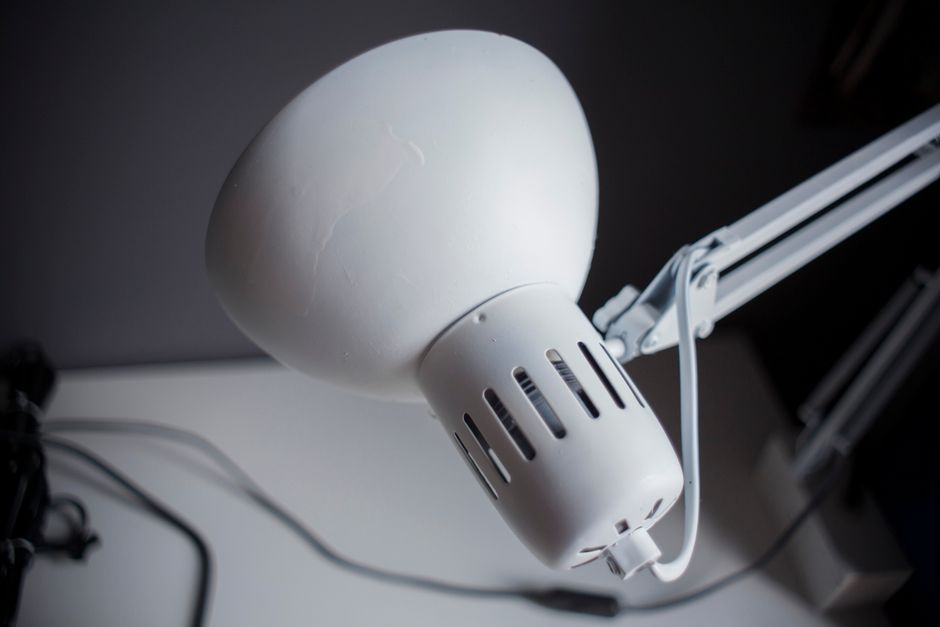
When considering a desk lamp, the type of bulb it uses plays a significant role in how it performs day after day. Traditional incandescent and fluorescent bulbs have been common for decades, but light-emitting diode (LED) technology has introduced a different set of characteristics. Understanding how these light sources compare in terms of energy use, longevity, light quality, and heat production can help in making an informed choice for a workspace or reading area.
The following sections examine each of these aspects in a neutral, factual manner. Rather than claiming one type is universally superior, the focus is on the measurable differences and how they might relate to individual preferences and usage patterns. Factors such as the specific model of lamp, the surrounding environment, and the user’s visual needs all contribute to which lighting solution fits best.
Energy Consumption: Converting Electricity to Light
One of the most frequently cited distinctions between LED desk lamps and those using incandescent or fluorescent bulbs is the amount of electrical energy they convert into visible light. Incandescent bulbs operate by heating a filament until it glows, which means a large portion of the electricity is turned into heat rather than light. Fluorescent bulbs use a gas discharge process that is more efficient than incandescent but still involves some energy loss. LEDs, on the other hand, produce light through electroluminescence, where electrons move through a semiconductor material. This method requires less power to achieve the same level of brightness measured in lumens.
For example, a typical LED desk lamp might consume around 8 to 12 watts to produce light equivalent to a 40- or 60-watt incandescent bulb. The exact figures depend on the design and quality of the lamp. Over the course of many hours of use, the lower wattage can lead to reduced electricity consumption. However, the actual impact on an energy bill depends on local electricity rates, how many hours the lamp is operated, and whether the lamp is used alongside other lighting sources. This characteristic makes LEDs an option worth considering for anyone who uses a desk lamp for extended periods.
Lifespan and Maintenance Considerations
The lifespan of a light source affects how often a lamp needs a new bulb and how consistently its light output is maintained. Incandescent bulbs typically last around 1,000 to 2,000 hours, while fluorescent tubes and compact fluorescent lamps (CFLs) may operate for 8,000 to 10,000 hours. LED bulbs in desk lamps are often rated for 25,000 to 50,000 hours or more, depending on the manufacturer and operating conditions. This difference stems from the solid-state nature of LEDs, which lack a fragile filament or gas that degrades over time.
It is important to note that lifespan ratings are based on laboratory tests under controlled conditions. In everyday use, factors such as ambient temperature, voltage fluctuations, and the quality of the lamp’s driver circuit can influence how long the LED continues to function at its original brightness. Many LED desk lamps are designed with the diodes integrated into the fixture, meaning that the entire lamp may need to be replaced when the LEDs eventually dim or fail. For users who prefer to replace only the bulb, some LED lamps offer replaceable light engines, though this is less common. Overall, the longer rated life of LEDs can reduce the frequency of bulb changes, which may be convenient for those who use their desk lamp daily.
Light Quality and Color Rendering
Light quality involves several aspects, including color temperature, color rendering index (CRI), and the consistency of illumination. Incandescent bulbs produce a warm, continuous spectrum that many people find pleasing, with a CRI close to 100. Fluorescent bulbs can vary widely in color quality, sometimes producing a cooler or more artificial appearance. LEDs are available in a range of color temperatures, from warm (around 2700K) to cool (5000K or higher), and many modern LED desk lamps achieve CRI values above 80 or even 90.
The color rendering index indicates how faithfully a light source reveals the colors of objects compared to natural sunlight. A higher CRI can be helpful for tasks such as reading, drawing, or detailed craft work where color accuracy matters. Some LED desk lamps offer adjustable color temperature settings, allowing the user to shift between a warmer light for relaxed reading and a cooler light for focused work. Fluorescent lamps can also have high CRI ratings, but they may exhibit a slight flicker or a slower warm-up time. Incandescent bulbs provide instant full brightness and excellent color rendering, yet they generate more heat and consume more energy. Each type has its own trade-offs, and the choice often comes down to the specific visual tasks and personal preferences of the user.
Heat Output and Workspace Comfort
Another difference between LED desk lamps and traditional bulbs is the amount of heat they release into the surrounding area. Incandescent bulbs convert only about 10% of their energy into light, with the rest becoming heat. This can make the lamp body and the area around it noticeably warm, especially if the lamp is used for several hours. Fluorescent bulbs are cooler than incandescent but still produce some heat, particularly in the ballast or electronic components.
LEDs are designed to run at much lower temperatures. The heat they generate is usually managed by a heat sink built into the lamp, which dissipates thermal energy without raising the temperature of the desk surface significantly. This lower heat output can improve comfort during long working sessions and may also reduce the load on air conditioning in warmer months. However, it is worth noting that some LED desk lamps can still feel warm to the touch if they are designed with limited heat dissipation or if they are operated at maximum brightness in a high ambient temperature. In general, the thermal profile of LEDs provides a different experience from traditional bulbs, which some users may find preferable for a desktop environment.
Environmental and Disposal Factors
When comparing lighting technologies, environmental considerations also come into play. Incandescent bulbs are made of glass and metal, and while they do not contain hazardous materials, their short lifespan and high energy use contribute to a larger overall resource footprint. Fluorescent bulbs contain small amounts of mercury, which requires careful disposal to prevent environmental contamination. Many localities have specific recycling programs for fluorescent lamps.
LED bulbs do not contain mercury, and their longer lifespan means fewer replacements over time, which can reduce the amount of waste generated. However, LEDs contain electronic components and materials such as copper and aluminum that require proper recycling at end of life. The energy saved during use can also offset the higher initial resource investment in manufacturing LEDs. As with any product, the environmental impact depends on factors such as the efficiency of the manufacturing process, the source of the electricity used, and the disposal method chosen by the consumer. These factors are part of a broader picture that goes beyond the bulb itself.
Luminary Guide recognizes that the choice of desk lamp involves multiple dimensions, from personal comfort to long-term costs and environmental impact. By understanding the differences in energy consumption, lifespan, light quality, heat output, and disposal, individuals can evaluate which type of lighting aligns with their specific needs and circumstances. No single option is right for every situation, but the available information allows for a more thoughtful comparison.