How to Choose the Right Brightness for Your Desk Lamp
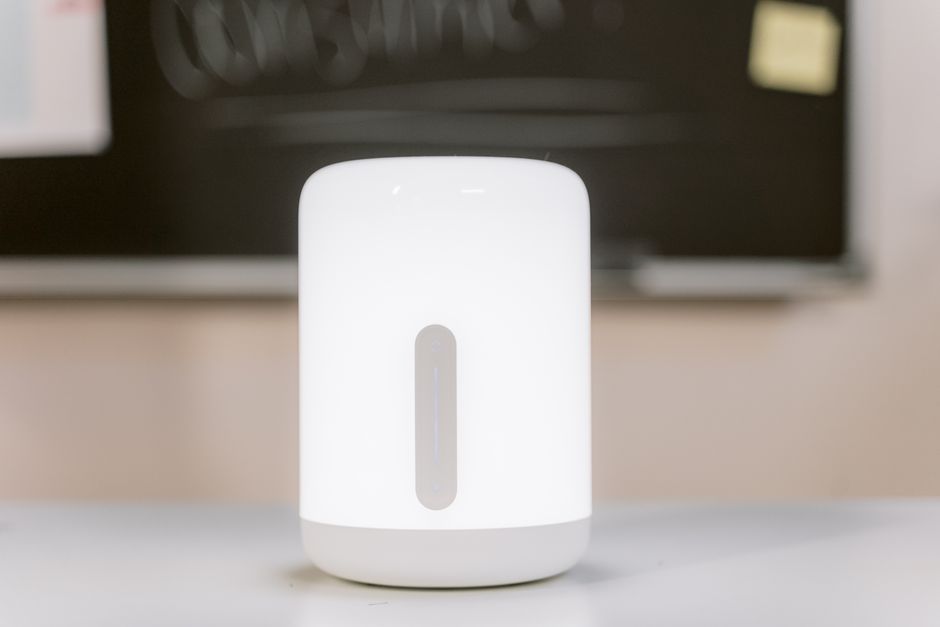
Selecting the appropriate brightness for a desk lamp is a decision that influences both visual comfort and the ability to perform tasks efficiently. Many people assume that brighter is always better, but the relationship between light intensity and eye strain is more nuanced. The concept of lumens, which measures the total amount of visible light emitted by a source, provides a useful starting point for evaluating brightness. However, the optimal level depends on the type of activity, the surrounding environment, and individual preferences. Understanding these factors helps in making an informed choice that supports sustained focus and reduces the likelihood of discomfort.
In this article, Luminary Guide explores the key ideas behind brightness measurement, presents commonly used ranges for different tasks, and discusses how elements like lamp design and room lighting can alter the perceived intensity. The goal is to provide a framework for evaluating desk lamp brightness without making definitive claims about outcomes. Each person’s workspace and visual needs are unique, and what works well in one setting may need adjustment in another.
Understanding Lumens and Brightness Measurement
Brightness in lighting is quantified in lumens, a unit that describes the total light output from a lamp. Lumens are independent of the lamp’s wattage, which measures energy consumption. Historically, consumers used wattage as a proxy for brightness, but with the adoption of LED technology, lumens have become the standard reference. A typical desk lamp may produce anywhere from 400 to 800 lumens, though some models offer a wider range. It is important to note that perceived brightness also depends on how the light is distributed and the distance from the lamp to the work surface.
Another relevant measure is illuminance, expressed in lux, which is lumens per square meter. When a lamp is moved closer to a surface, the illuminance increases even if the lumen output stays the same. This means that a lamp with 500 lumens placed at 15 inches might provide an illuminance of 500 lux, while the same lamp at 24 inches might yield only about 200 lux. Therefore, recommendations for brightness are often contextual and should account for lamp height and angle. Luminary Guide suggests considering both the lamp’s lumen specification and its physical placement when planning a workspace.
Recommended Brightness Levels for Different Tasks
Different activities demand different levels of light intensity. For reading printed materials, a common recommendation is an illuminance of 300 to 500 lux on the page. This range helps reduce squinting and maintains contrast without causing glare. In terms of lamp lumens, a lamp producing between 400 and 600 lumens typically achieves this level when positioned at a reasonable distance, such as 12 to 18 inches from the reading surface.
For writing and detailed manual work, such as drawing or crafting, slightly higher brightness may be beneficial. An illuminance of 500 to 750 lux is often cited as a comfortable range. This can be achieved with a lamp outputting 600 to 800 lumens, especially when the light is directed and adjustable. When working primarily with digital screens, the situation is different. A screen already emits its own light, so the primary role of the desk lamp is to provide ambient lighting that reduces contrast between the screen and the surrounding space. An illuminance of 200 to 400 lux on the keyboard or desk surface is often recommended. Excessively bright task lighting can cause reflections on the screen and increase eye strain. In these scenarios, lamps with adjustable brightness or multiple settings offer flexibility.
Factors That Influence Perceived Brightness
The same lumen output can feel very different depending on several environmental and design factors. The distance between the lamp and the work surface directly affects illuminance. A lamp positioned far away may require higher lumens to achieve the same lux level as one placed closer. The lamp’s shade and reflector design also matter. A well-designed shade can focus light efficiently, while a diffusing cover spreads light over a wider area, potentially reducing intensity on a specific spot.
Ambient room lighting is another critical factor. In a brightly lit room, a desk lamp’s brightness may seem lower because the eyes are already adapted to a higher level of overall illumination. In a dim room, a medium output can feel quite bright. Color temperature, measured in Kelvin, influences perception as well. Cooler light (around 5000K) often appears brighter than warm light (around 3000K) at the same lumen output, even though the actual intensity is identical. When choosing a lamp, considering these contextual elements helps in selecting a brightness level that supports comfort without creating visual imbalance.
Adjusting Brightness for Comfort and Task Versatility
Many modern desk lamps come with dimming functionality, which allows users to fine-tune brightness according to the moment’s needs. Having the ability to adjust output is particularly useful for those who switch between different activities during the day. For instance, a higher setting may be preferred for detailed paperwork in the morning, while a lower setting might be more comfortable for evening screen use. Dimmable lamps can also help accommodate changes in natural light throughout the day without requiring a permanent fixture change.
Positioning the lamp to avoid direct glare is equally important. Light that shines directly into the eyes or reflects off a glossy screen can cause discomfort even when the lumen level is appropriate. Using a lamp with a movable arm or adjustable head allows the user to direct light away from the eyes and onto the task area. Combining adjustable brightness with flexible positioning provides a more adaptable solution than a fixed-output lamp. In practice, many people find that a lamp with a brightness range of 300 to 800 lumens, paired with a dimmer, covers most common desk activities.
Additional Considerations for Eye Comfort
While brightness is a central factor, other qualities of light also contribute to visual comfort. Flicker, for example, is a characteristic of some LED lamps that can lead to fatigue even if the lumen level seems correct. Choosing lamps that are marketed as flicker-free may reduce this risk. Color rendering index (CRI) indicates how accurately colors appear under the light. For tasks that involve color discrimination, such as graphic design or painting, a CRI above 90 is often recommended. However, for general reading and writing, CRI values in the 80s are typically sufficient.
It is also worth noting that individual sensitivity to light varies. Some people prefer higher brightness levels, while others find moderate output more relaxing. Trying different settings and observing how the eyes feel after extended periods of use can provide personal guidance. No single brightness level works universally, but understanding the principles of lumens, illuminance, and environmental interaction equips users to make choices that align with their own comfort criteria. By focusing on the process of evaluation rather than seeking a fixed number, individuals can create a workspace that supports sustained attention and reduces the likelihood of strain.